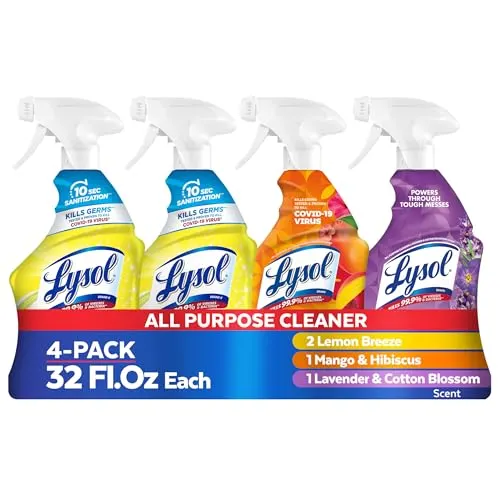
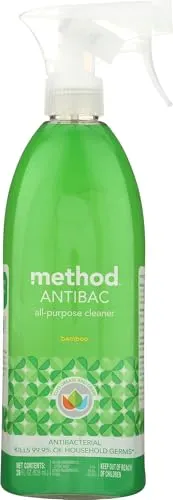
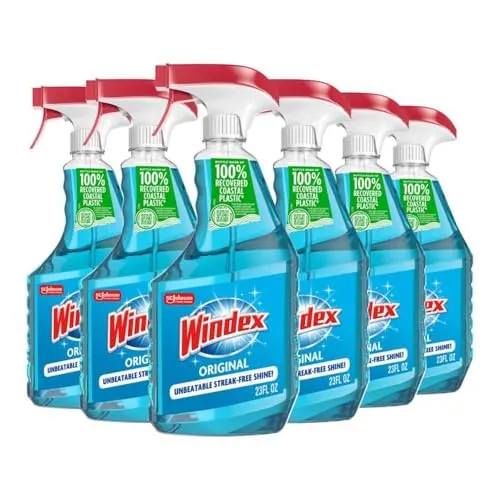
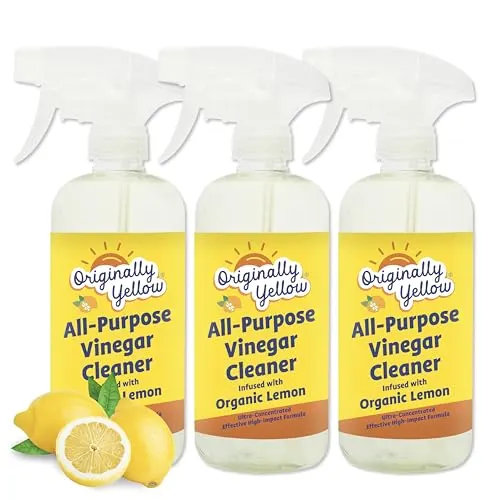
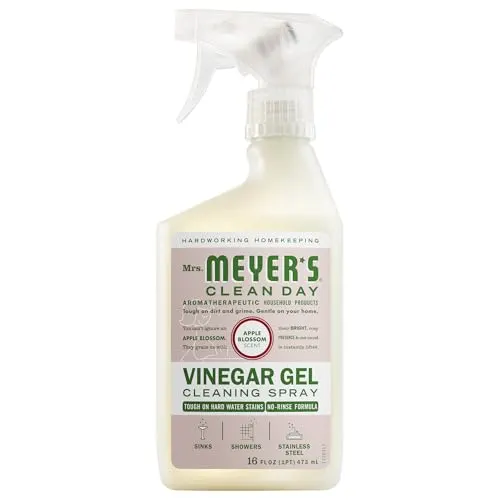
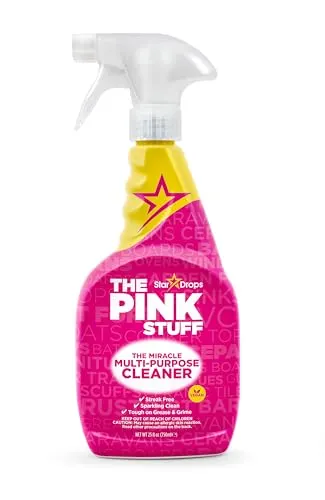
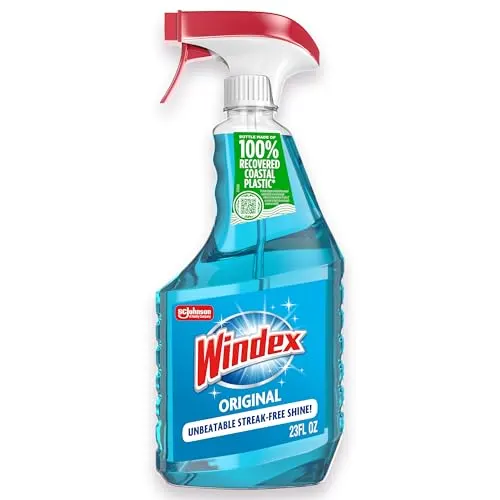
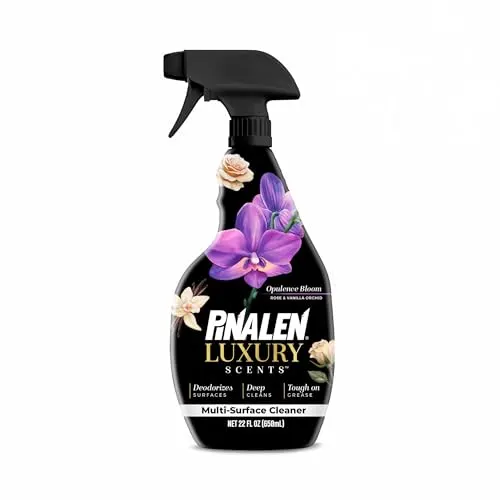
Cleaning Sprays
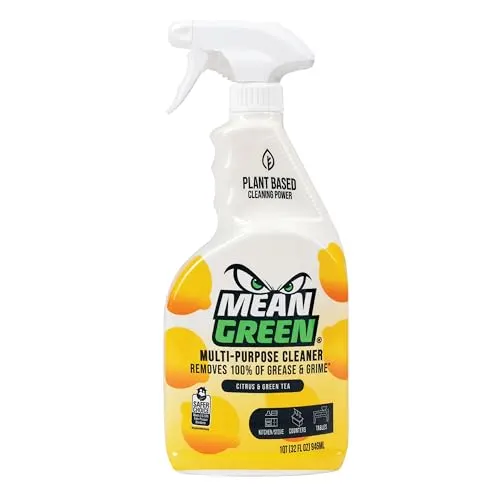
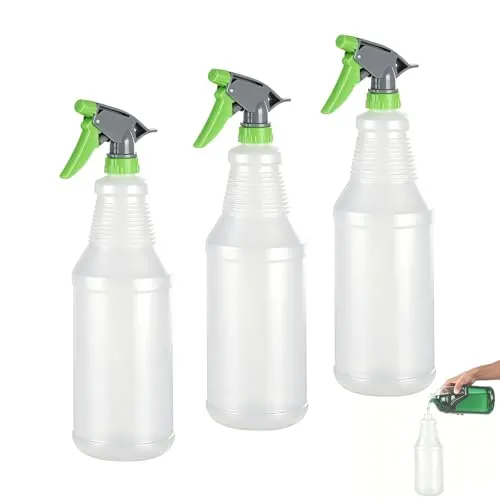
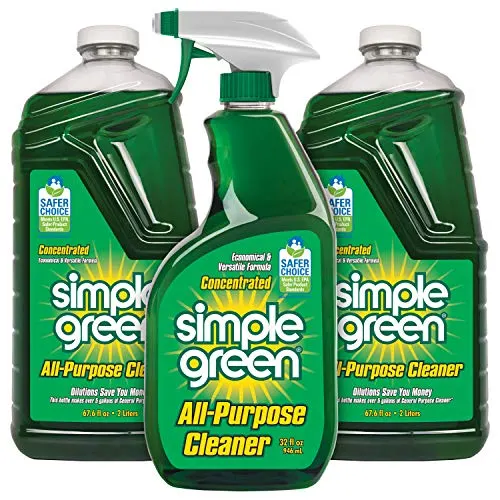
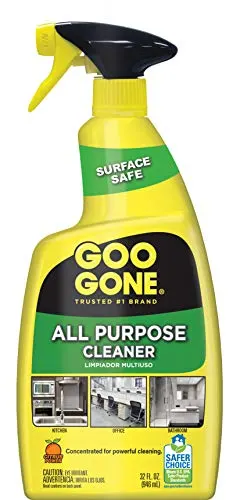
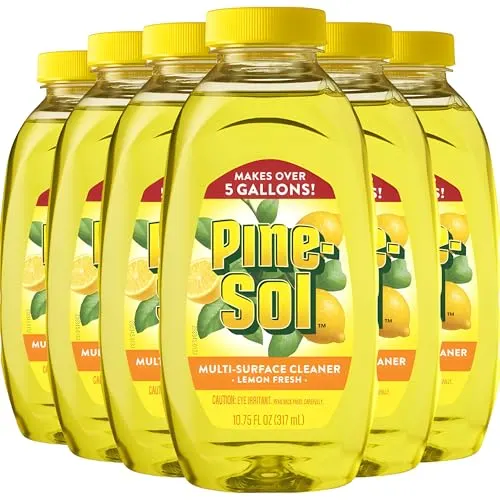
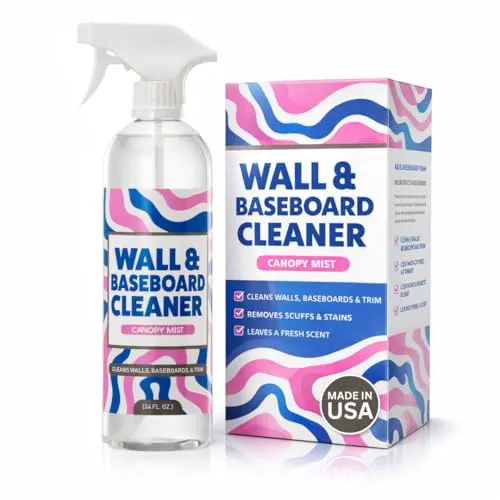
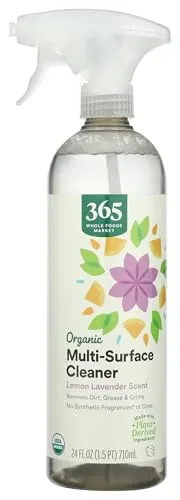
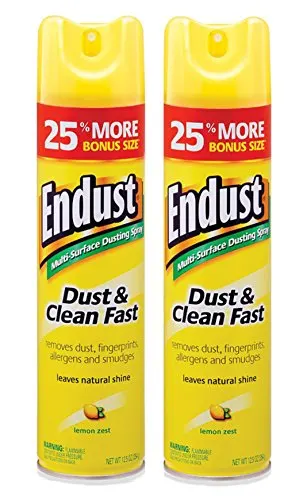
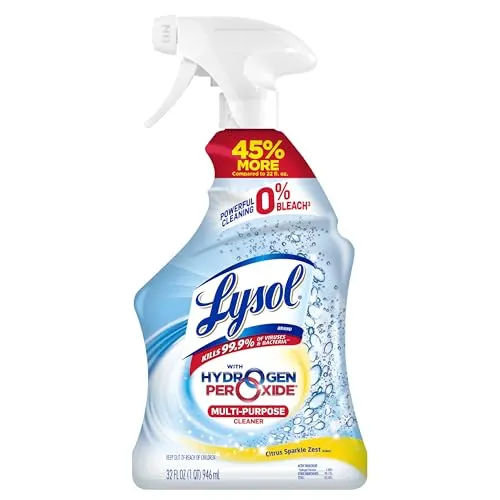
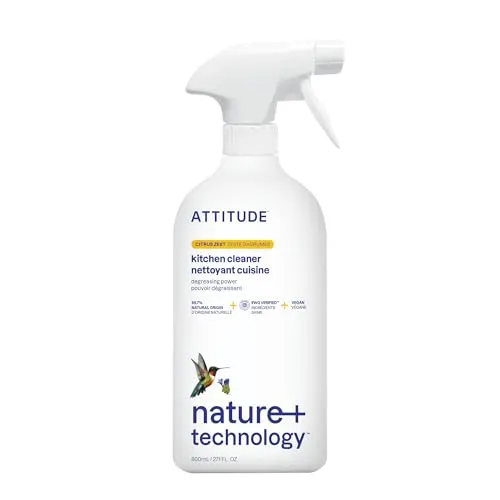
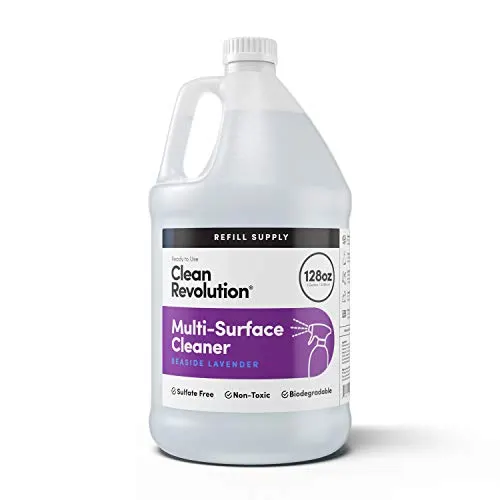
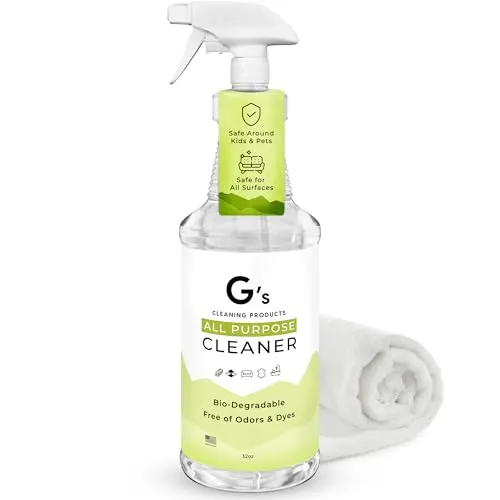
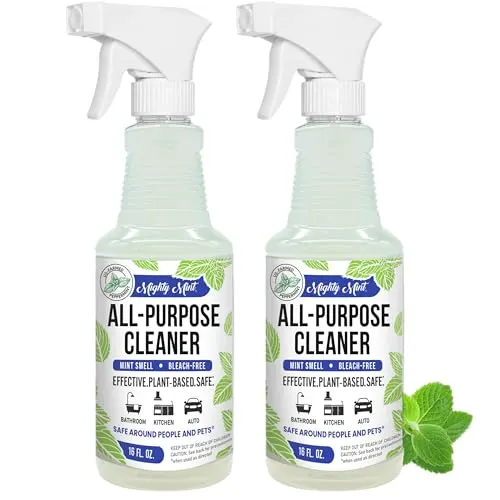
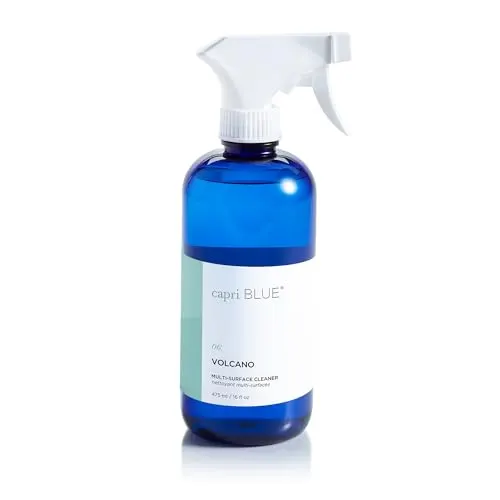
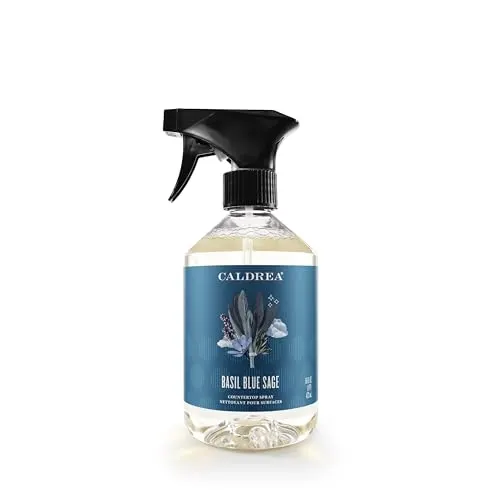
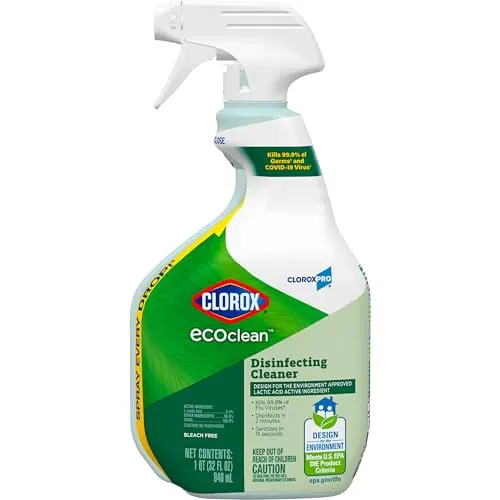
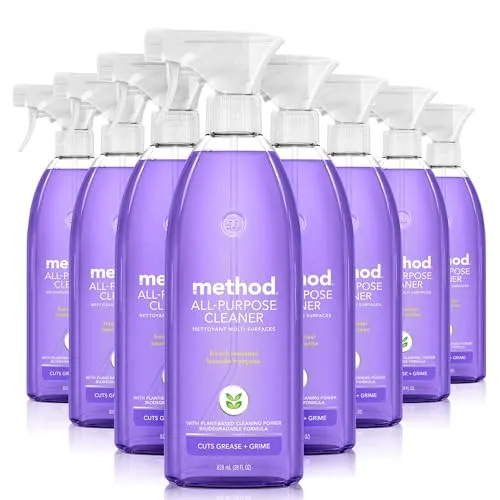
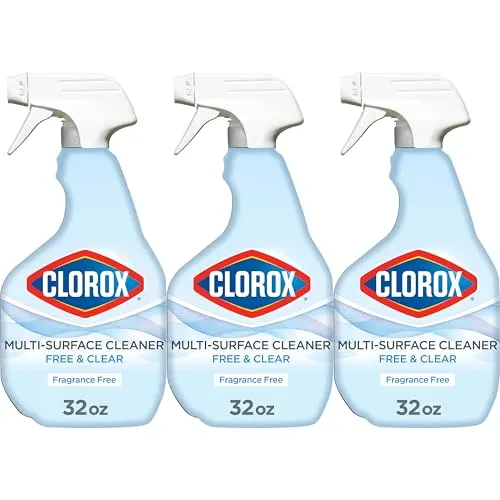
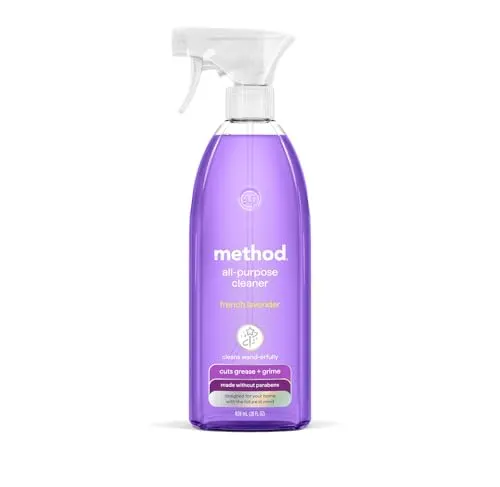
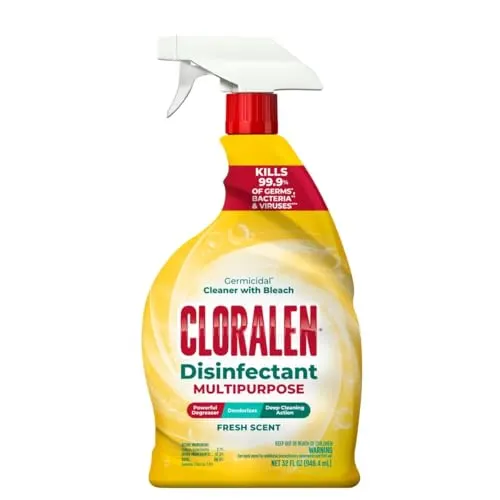
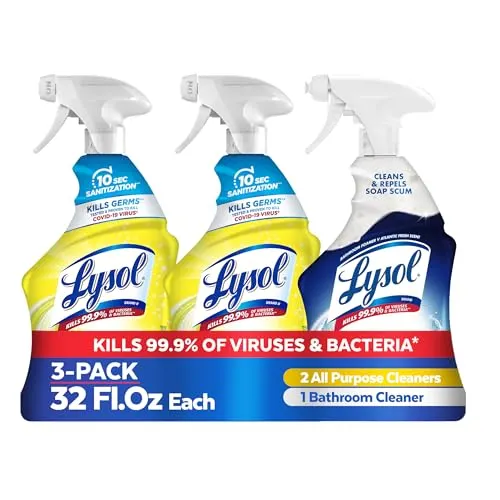
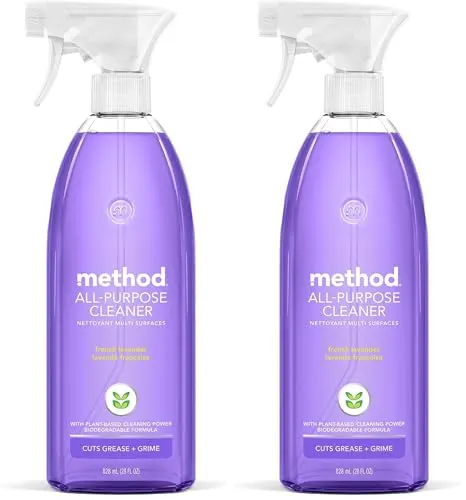
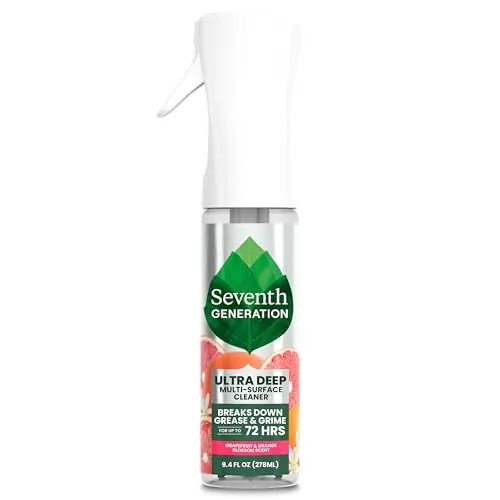
Explore cleaning sprays for counters, kitchens, bathrooms, showers, glass, carpet spots, disinfecting jobs, and everyday household messes. Compare the 147 products below by intended surface, formula type, bottle format, and label directions. Then continue to the complete catalog review for task-based guidance, brand paths, and verified shopping examples.
Top picks in Cleaning Sprays
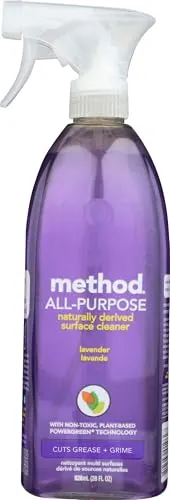
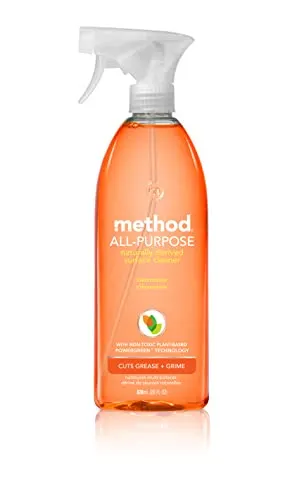
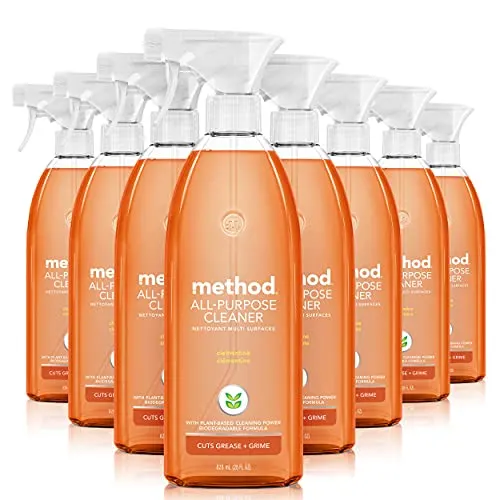
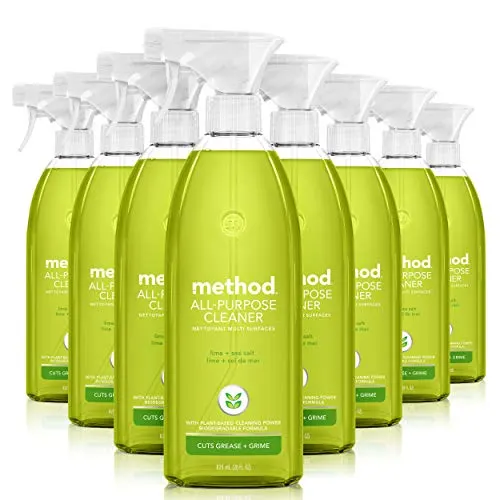
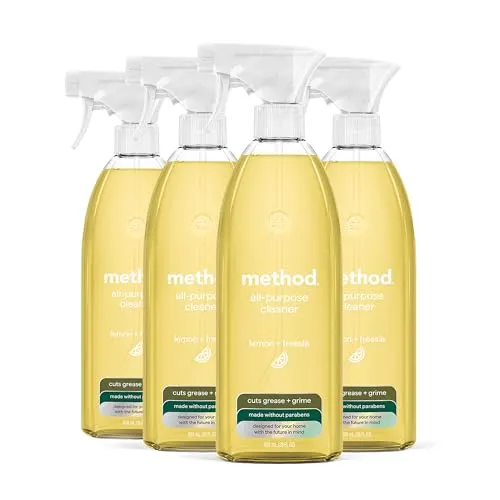
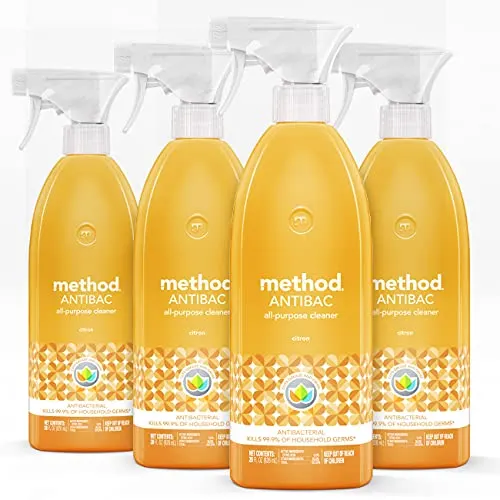
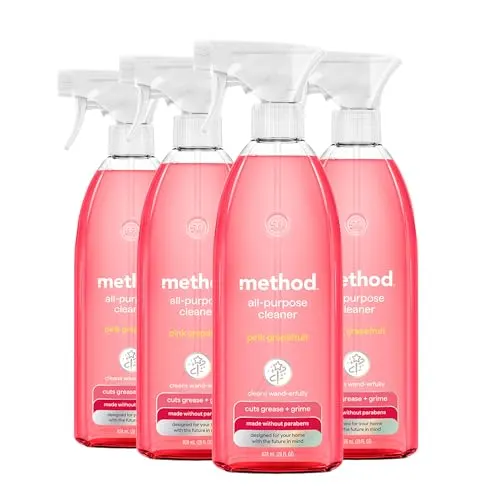
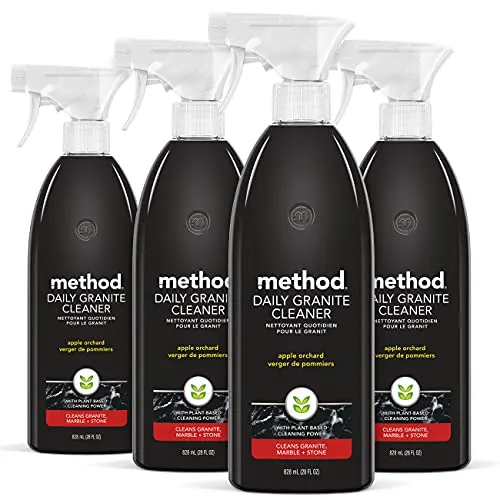
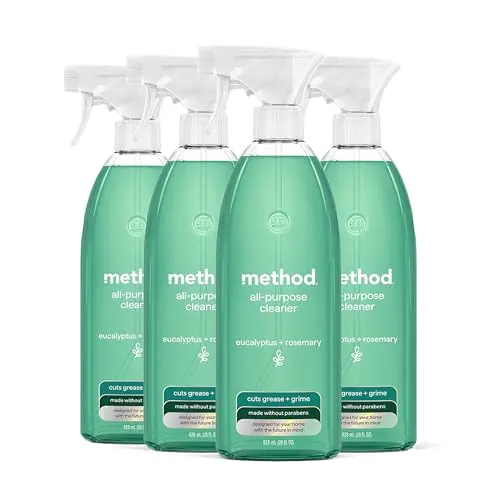
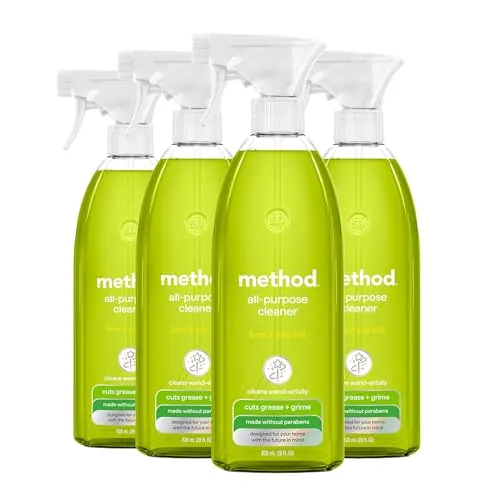
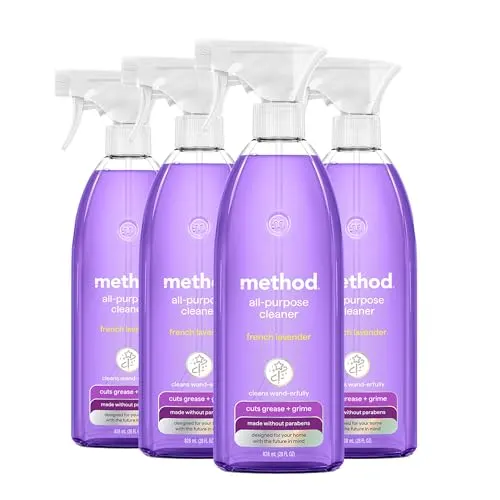
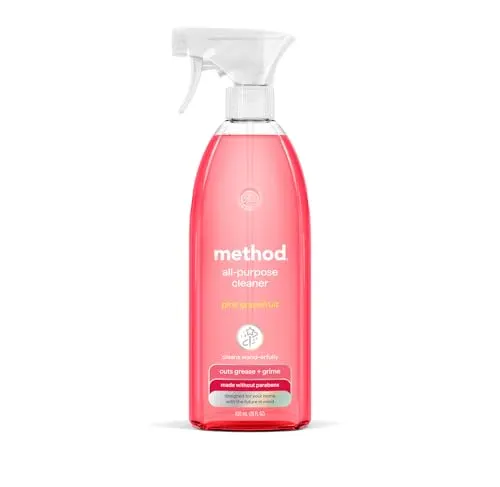
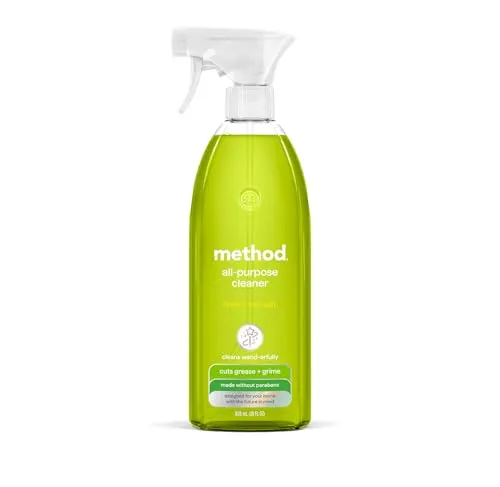
- method Dye-Free All-Purpose Cleaner Spray
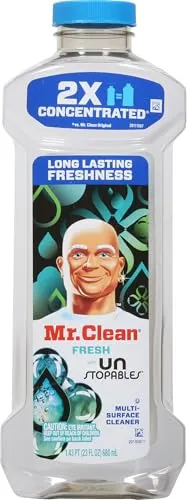
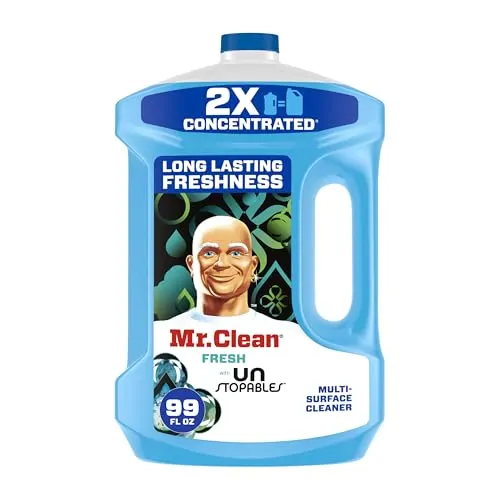
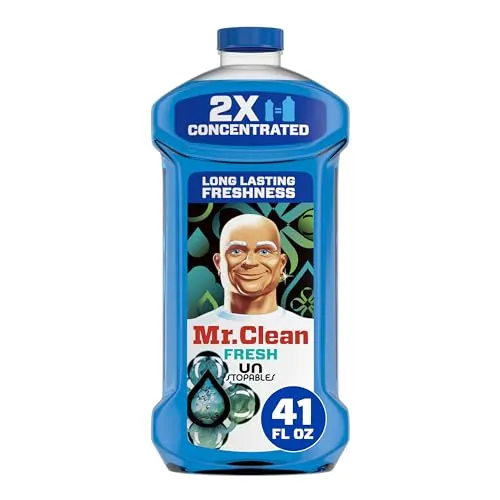
- Mr. Clean 2X Concentrated Multi Surface Cleaner
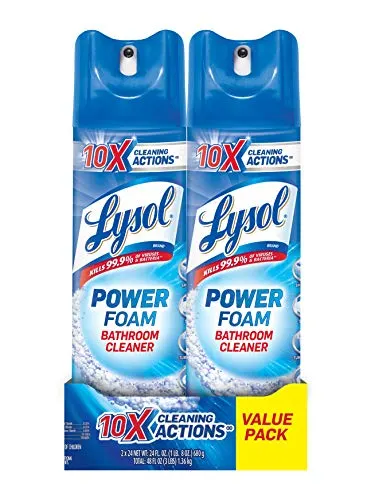
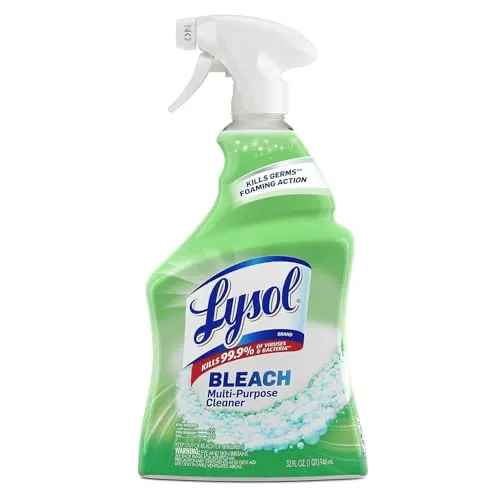
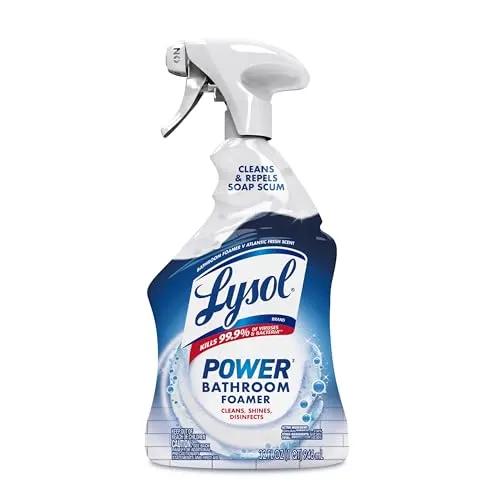
- Lysol Power Foaming Bathroom Cleaner
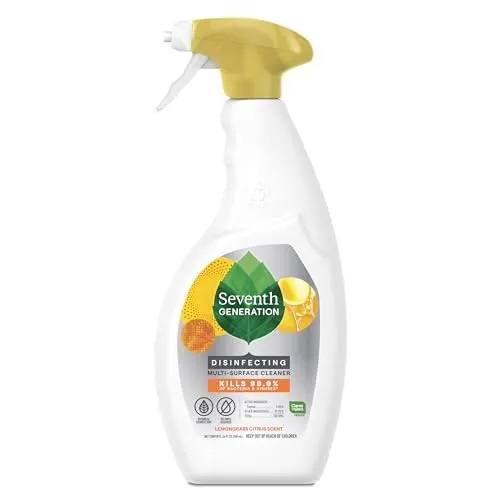
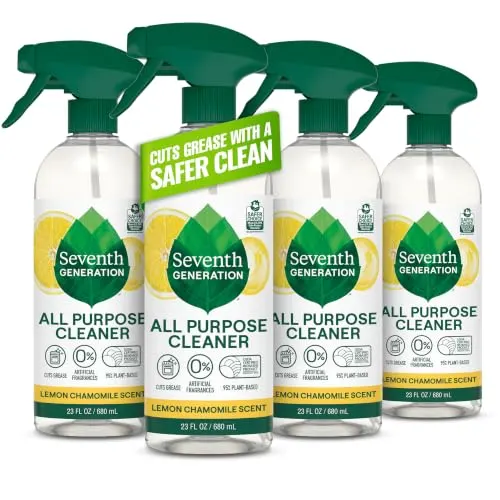
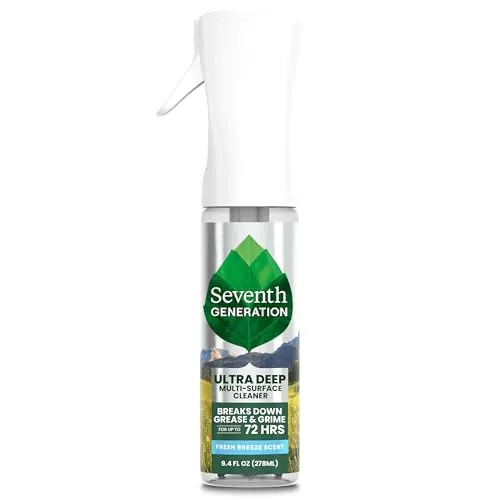
- Seventh Generation Ultra Deep Probiotic Multi
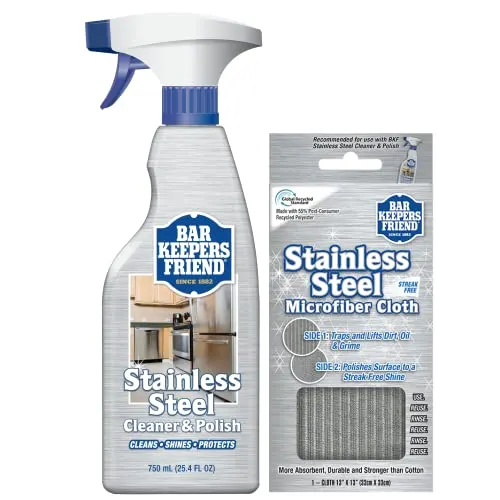
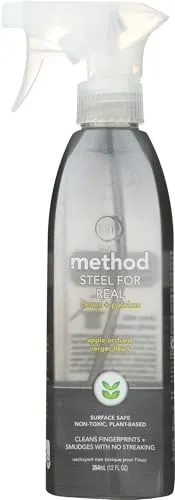
- Method, Cleaner Spray Stainless Steel
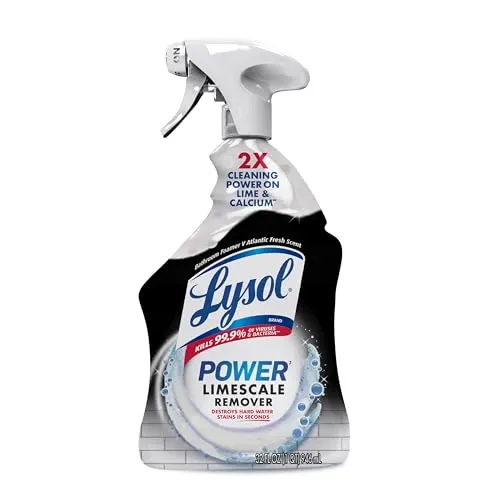
- Lysol Power Limescale Remover Bathroom Cleaner Spray
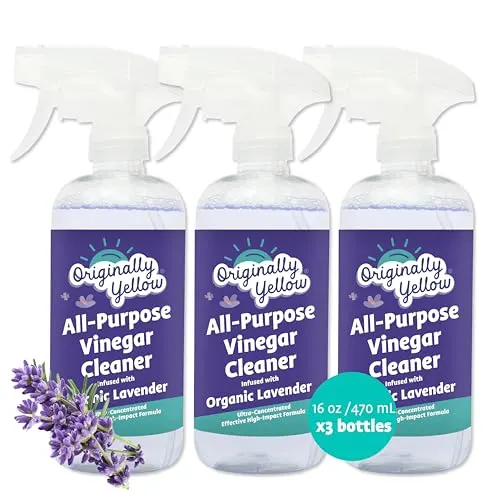
- Originally Yellow Lavender distilled white vinegar
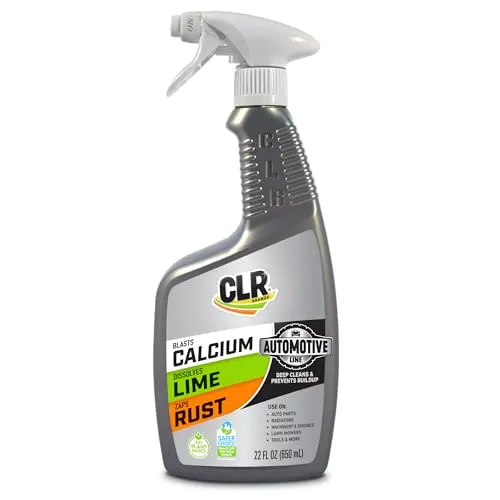
- CLR Brands Automotive Calcium
A useful spray cabinet is usually small and job-specific: one dependable everyday cleaner, a glass product if mirrors and windows are a regular task, and a specialty formula only where the surface or soil calls for it. “All-purpose,” “bathroom,” “degreaser,” and “disinfectant” are not interchangeable promises. The label—not the bottle color, scent, or marketing headline—should determine where and how a product is used.
Clean Home Picks is an independent product-discovery site. We do not sell, ship, formulate, warranty, or process returns for these products. Use the catalog above and the guide below to narrow the category, then confirm the current label, surface compatibility, warnings, seller, and package details before purchasing or using any cleaner.
Choose a Cleaning Spray by Job
Start with the mess and surface rather than the brand. This keeps an everyday spray from being used where a glass, bathroom, carpet, or specialty formula would be more appropriate.
Everyday counters, tables, and sealed surfaces
An all-purpose or multi-surface spray can be convenient for fingerprints, light food residue, dust, and routine soil on surfaces listed by the manufacturer. Before using it on stone, sealed wood, paint, laminate, or a specialty finish, read both the cleaner label and the surface maker’s care guidance. For food-contact surfaces, follow any rinse step or other instruction on the label rather than assuming a wipe alone is sufficient.
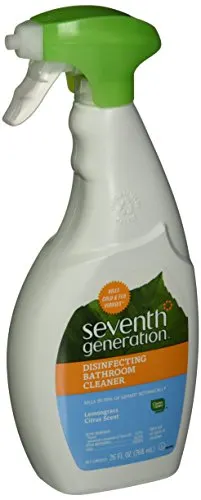
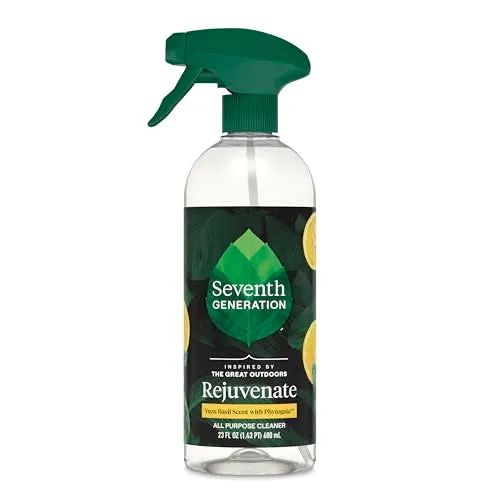
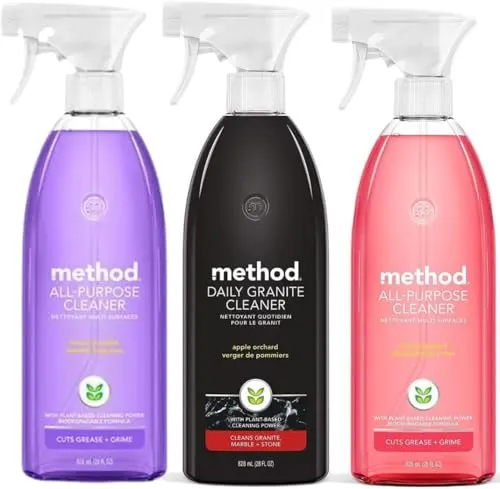
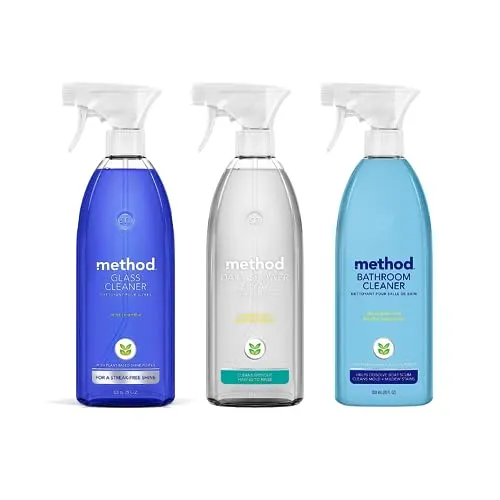
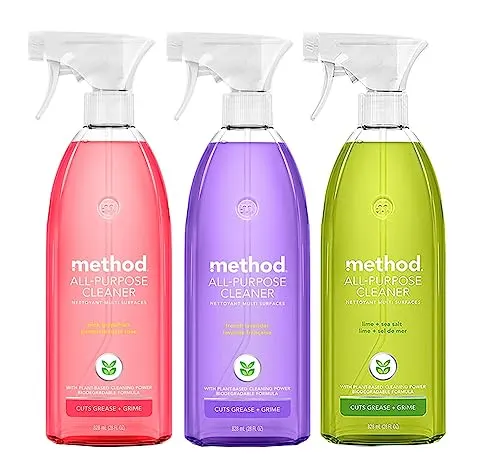
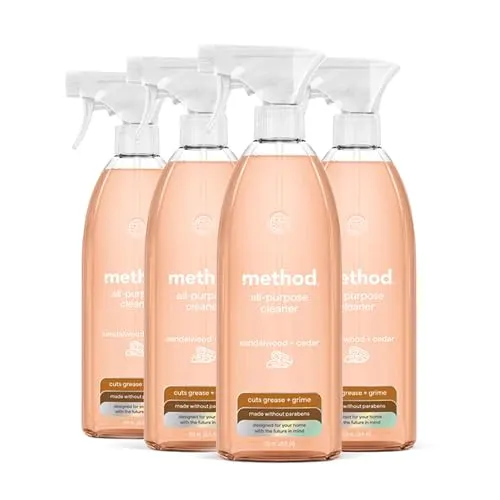
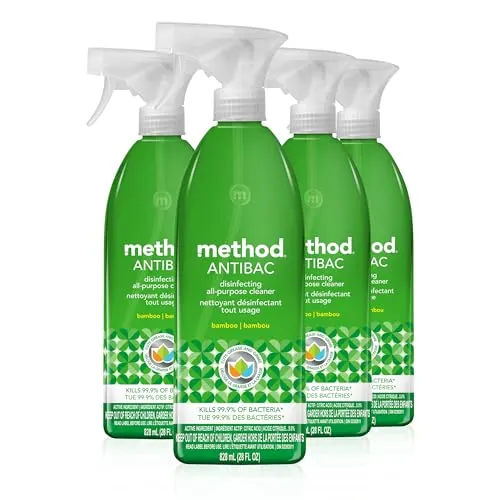
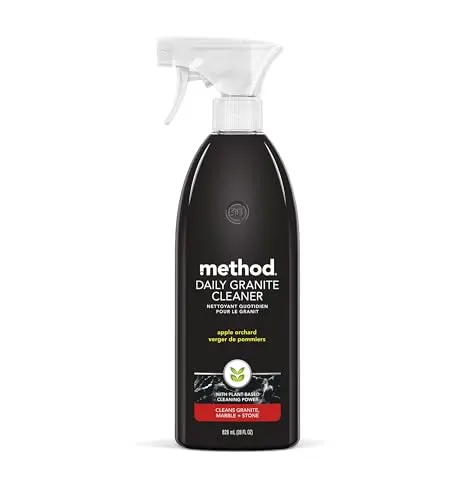
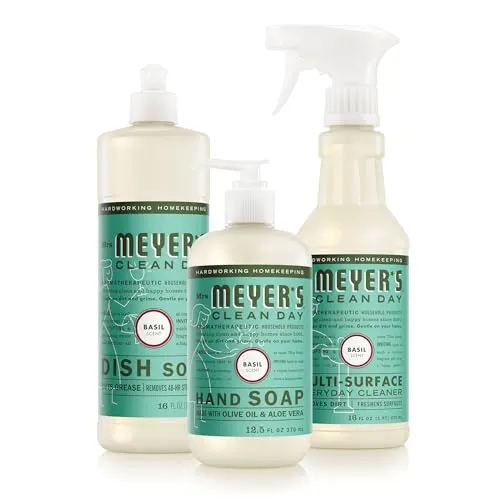
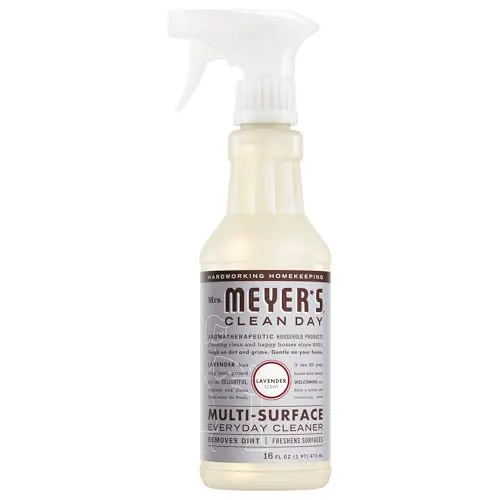
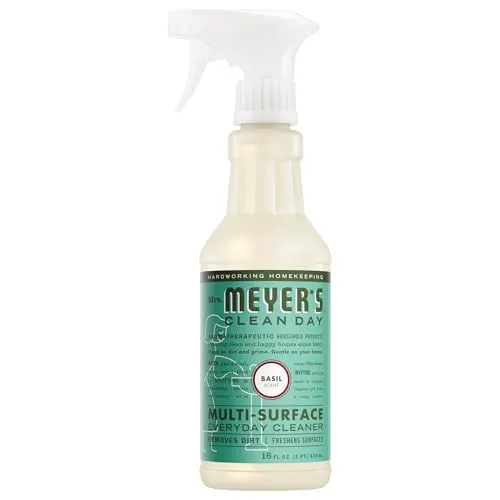
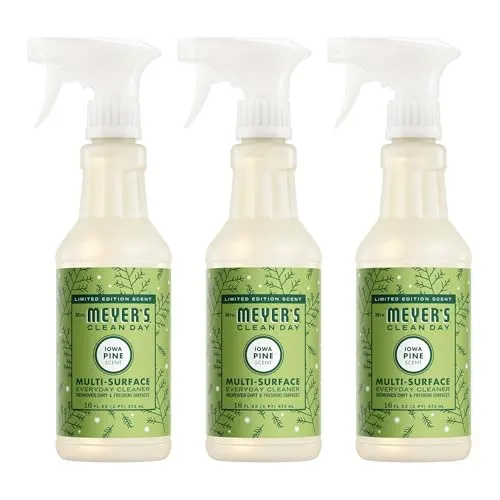
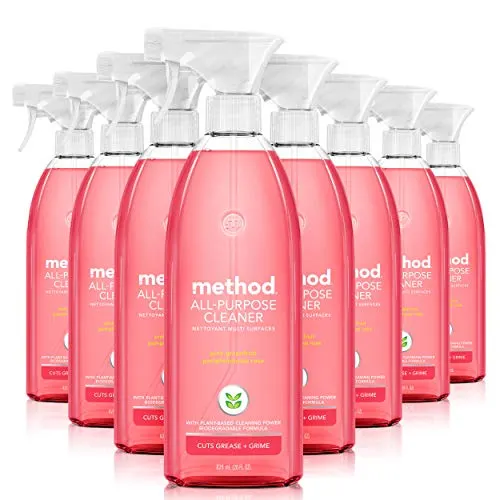
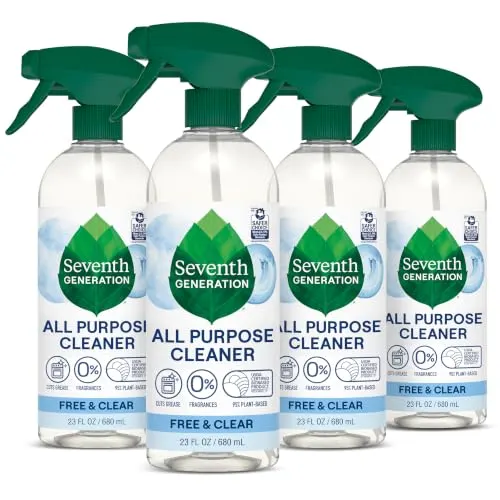
Browse broad brand paths such as Mrs. Meyer’s Cleaning Products, Method Cleaning Products, Seventh Generation Cleaning Products, and Simple Green. These collections include more than sprays, so verify the exact product type before choosing.
Kitchen grease and cooked-on residue
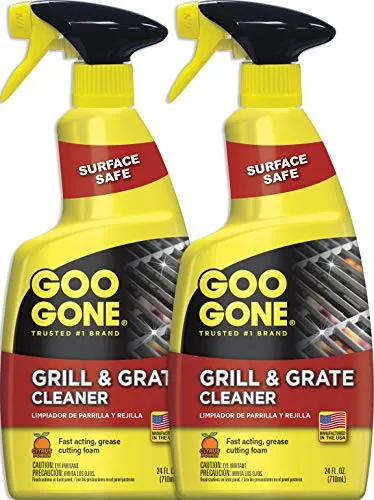
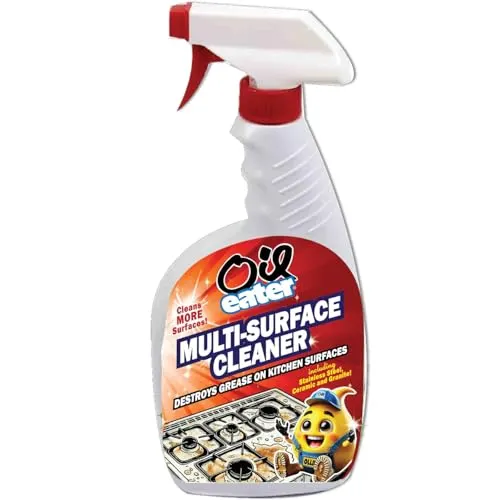
A kitchen cleaner or degreaser may be a better fit for oily film on compatible stovetops, range hoods, backsplashes, and appliance exteriors. Stronger chemistry is not automatically better: some formulas require gloves, ventilation, a short contact period, rinsing, or avoidance of aluminum, natural stone, painted finishes, or self-cleaning oven interiors. Let the label define the permitted surfaces and never combine a degreaser with bleach, ammonia, acids, or another cleaner.
For broader cabinet planning, start with Cleaning Supplies. The supporting guide to cleaning spray formats for different household jobs provides another category-level comparison.
Bathrooms, showers, and soap residue
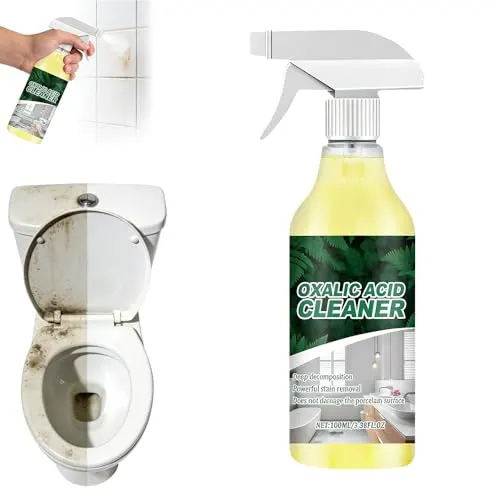
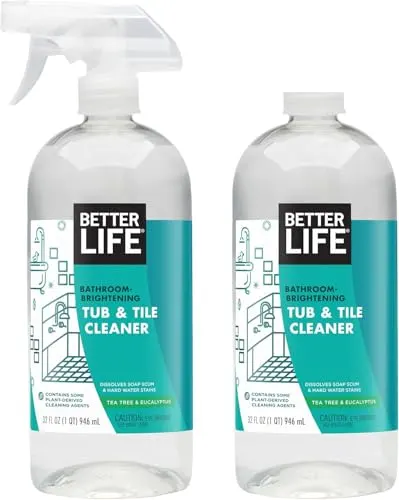
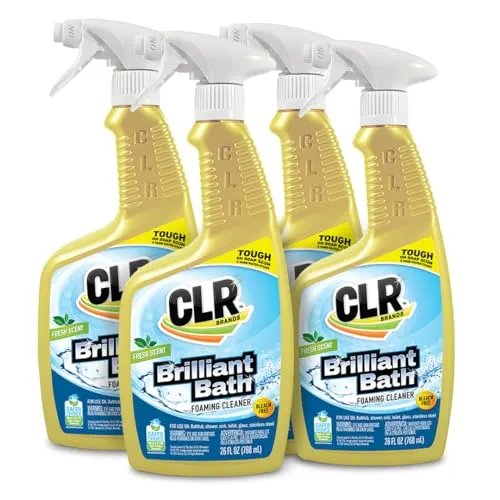
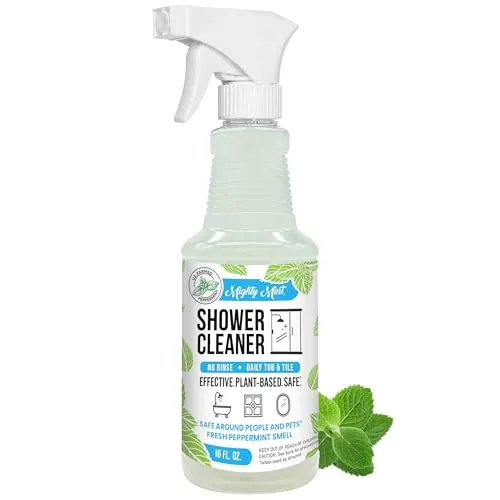
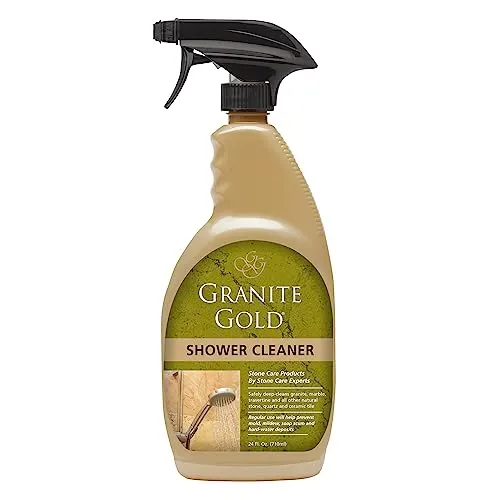
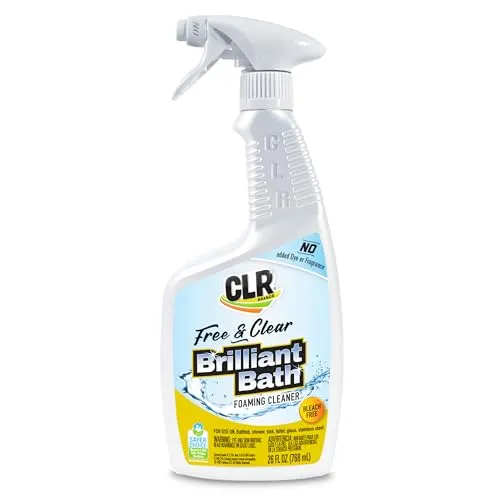
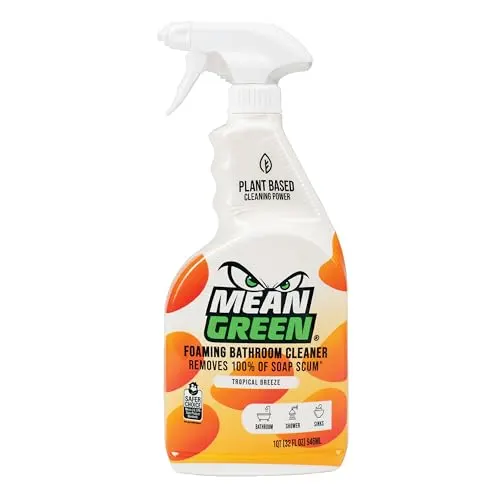
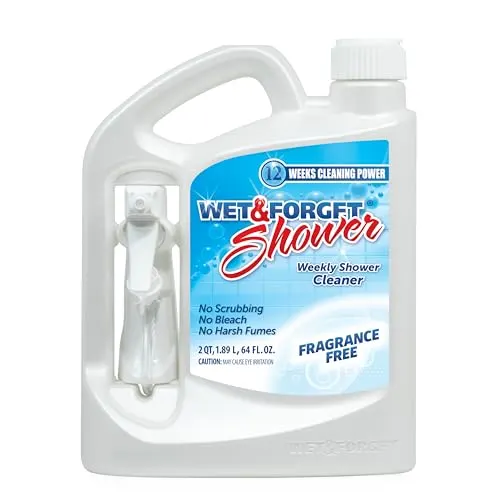
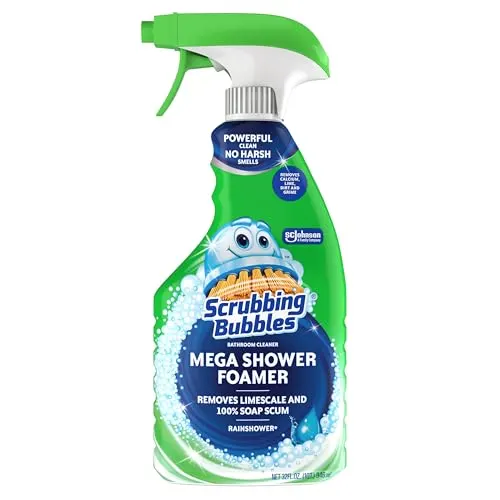
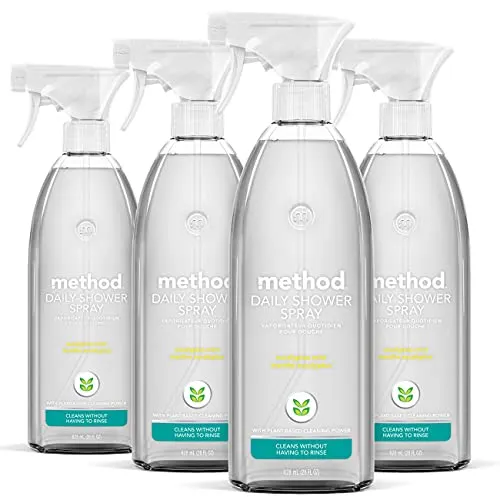
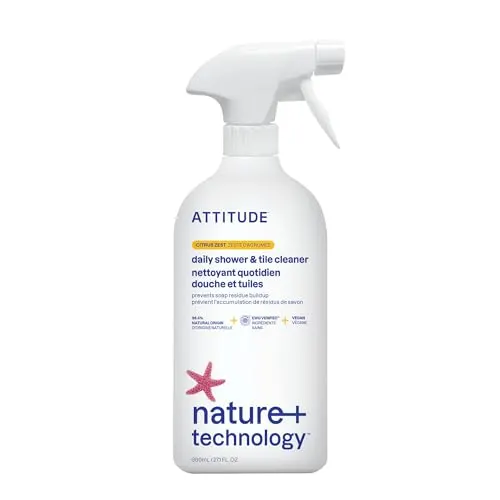
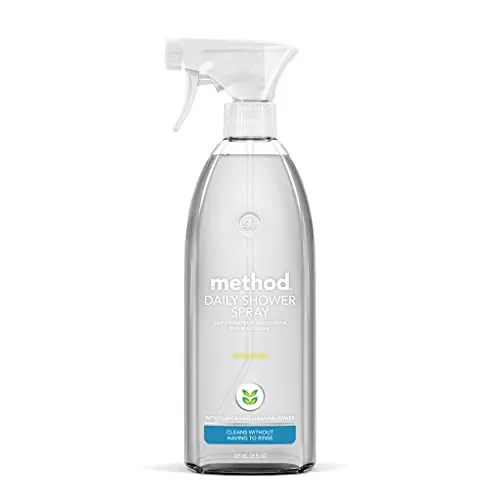
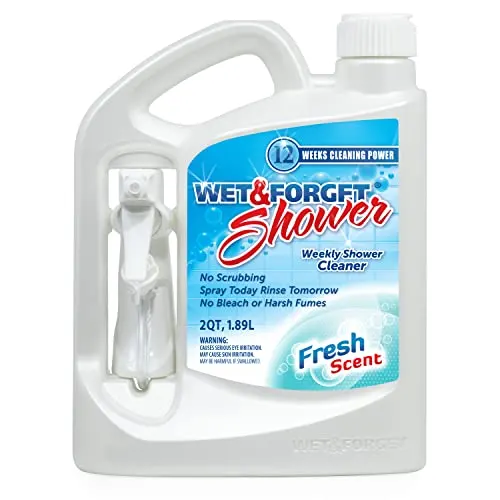
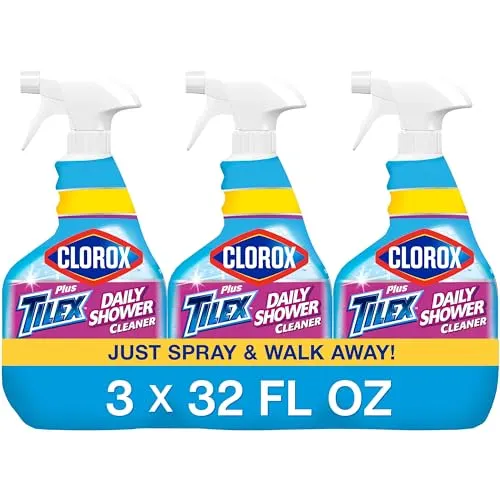
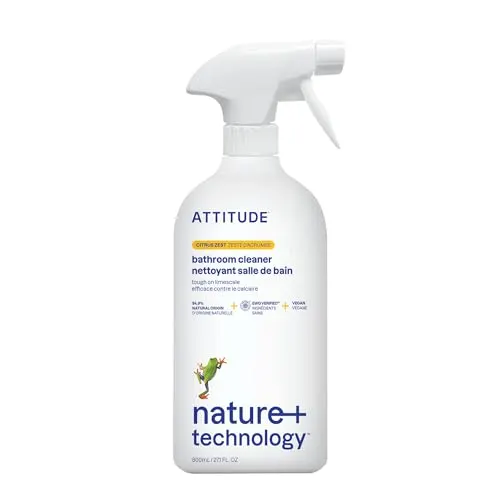
Bathroom sprays may target soap film, body oils, hard-water residue, or general soil, but those are different problems. A daily shower spray is often positioned for maintenance, while a foaming bathroom cleaner may be intended for a more involved cleaning session. Match the product to tile, grout, glass, acrylic, fiberglass, porcelain, metal fixtures, or natural stone only when those materials appear in the current directions.
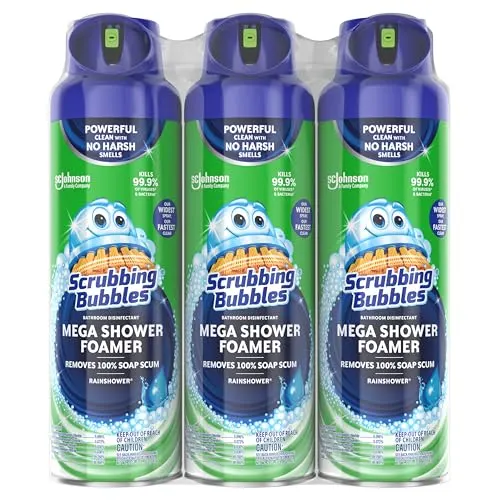
Use Clean Shower Spray and Scrubbing Bubbles as focused catalog paths, then pair the formula with appropriate Bathroom Cleaning Tools. The comparison of bathroom tools versus cleaning sprays explains when dwell time, wiping, or gentle agitation matters more than simply applying additional product.
Glass, mirrors, and polished surfaces
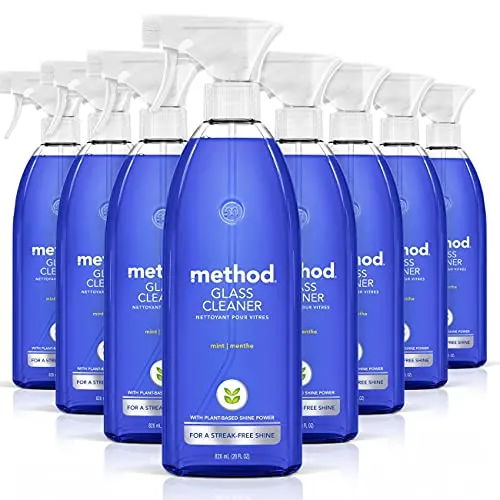
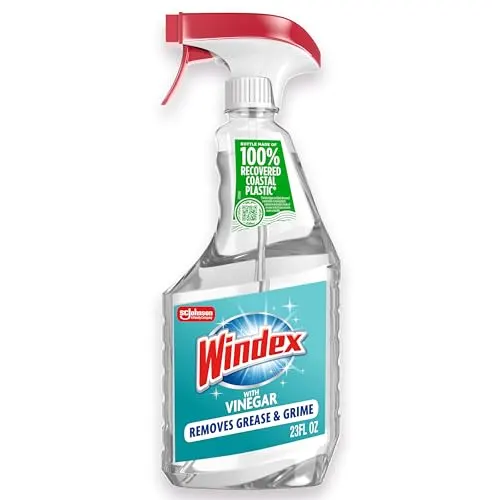
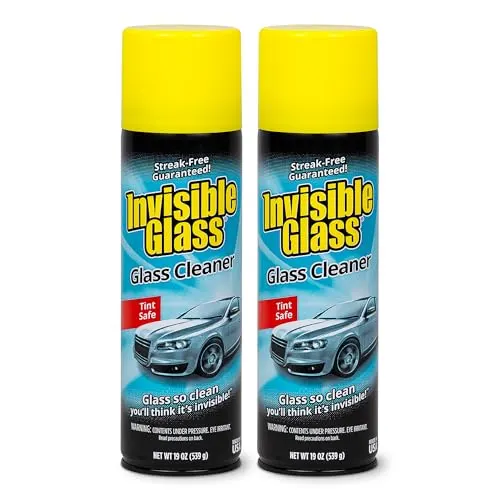
A glass cleaner is designed around transparent surfaces and low-residue wiping, but it may not be suitable for every screen, coated mirror, tinted film, stone surround, or appliance finish. Spray onto a cloth when direct mist could reach frames, electronics, or nearby porous material. Use a clean, low-lint cloth and avoid trying to polish glass with a cloth already holding grease or fabric-softener residue.
Pair the spray with Window Cleaning Tools or a clean Microfiber Cloth. For method selection, compare window tools and cleaning sprays and microfiber cloths and spray cleaners.
Disinfecting when the job calls for it
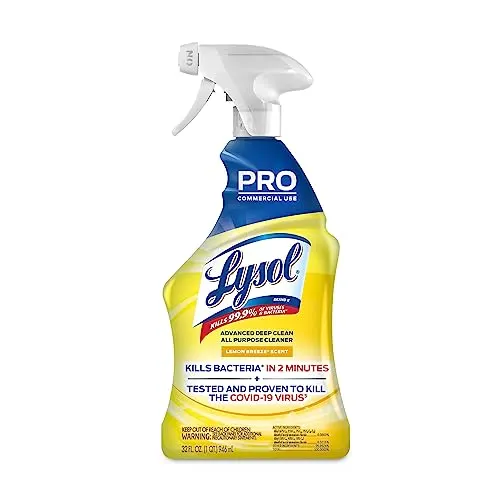
Cleaning removes dirt and many germs from surfaces; disinfecting uses a registered product according to its label to address specified microorganisms. The CDC says regular cleaning is often sufficient in most homes, while disinfection may be appropriate when someone is sick or at higher risk. Clean visible soil first when the label calls for it, keep the surface visibly wet for the full stated contact time, provide ventilation, and never mix products.
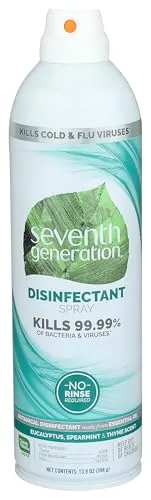
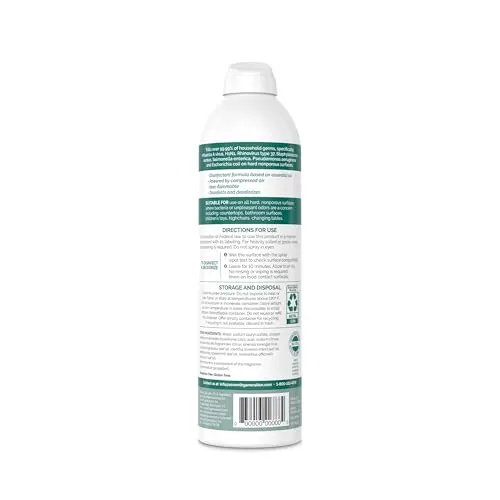
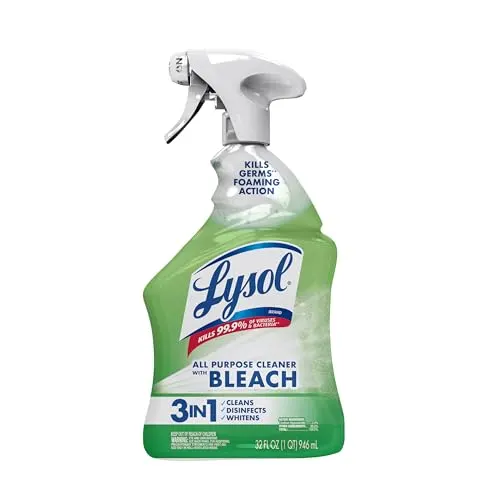
For label-defined disinfectant options, compare Lysol Cleaning Products and Clorox. A brand collection can contain ordinary cleaners, wipes, refills, and other formats alongside registered disinfectants, so the brand name alone does not establish a disinfecting claim. The EPA advises checking the registration number and following the complete Directions for Use for the exact pathogen and surface.
Carpet, upholstery, and fabric spot treatment
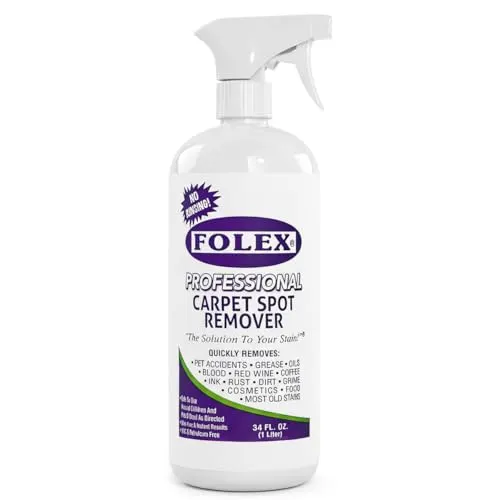
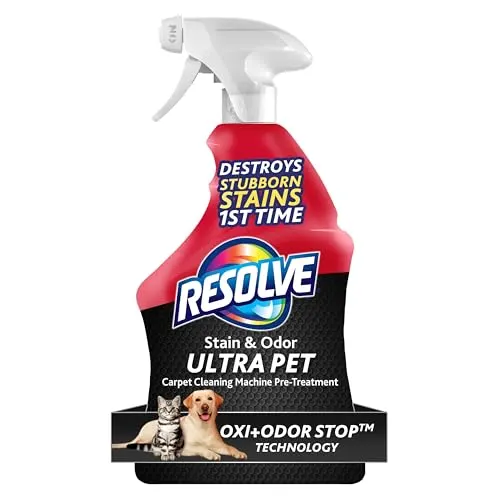
Do not treat a hard-surface spray as a fabric cleaner. Carpet and upholstery products can differ in application, extraction, rinsing, drying, and fiber compatibility. Blot fresh liquid, check the textile or carpet care instructions, test an inconspicuous area, and avoid soaking padding or cushions. For machine-compatible and direct-treatment choices, visit Carpet Cleaning Solutions.
Cars and specialty interiors
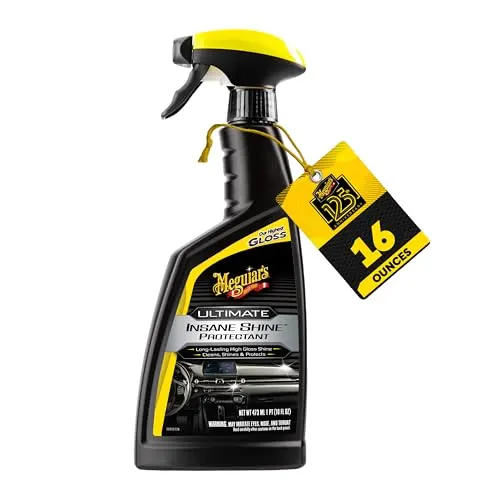
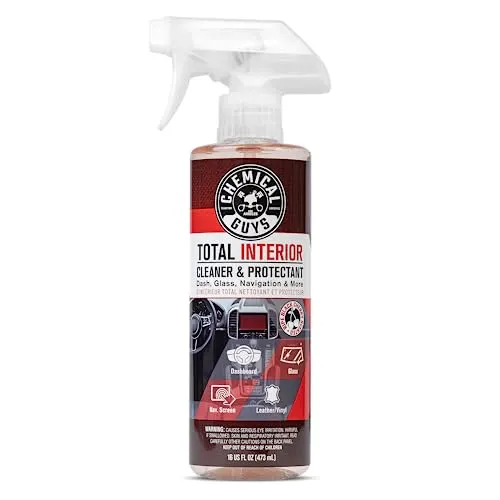
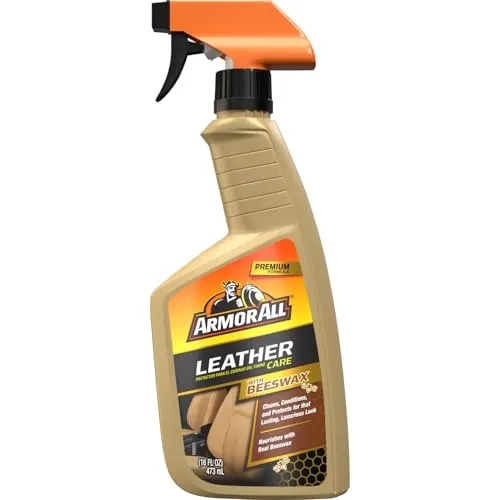
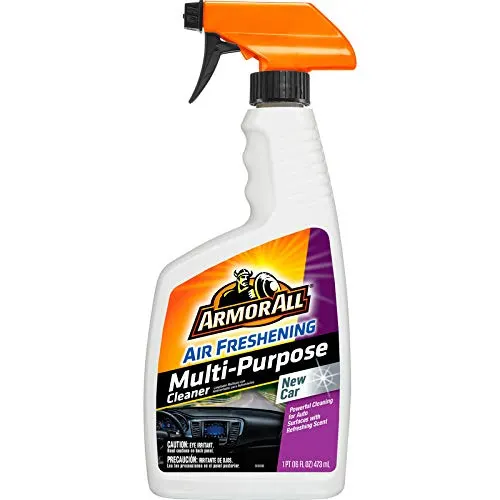
Household glass or all-purpose sprays are not automatically suitable for dashboards, touchscreens, navigation displays, leather, coated plastics, tinted glass, or headliners. Use the vehicle and product instructions together. The Car Cleaning Supplies collection keeps vehicle-focused options separate, while the car supplies versus household sprays guide explains why surface-specific products can matter.
For a product-by-product kitchen decision path, read Best Cleaning Sprays for Kitchen Grease and Everyday Messes, covering everyday sprays, degreasers, stainless-steel care, food-contact directions, and surface checks.
More buying guides